River City Rhythms
River City Rhythms: Recording Memory, Bridging Place, and Finding Home in Sound
By Kareem A. Simpson
River City Rhythms began as a question I couldn’t shake…
What does it sound like when rural and urban Black Kentucky speak to one another without hierarchy, without distance, and most importantly, without apology?
As a Black creative rooted in Northern Kentucky but deeply aware of the broader geography of Black life across the Commonwealth, I’ve long felt the invisible lines that separate “the holler” from “the hood,” Central Kentucky from Northern Kentucky’s river cities, folk traditions from contemporary expression. River City Rhythms became my attempt to blur those lines. Not to erase differences, but to honor continuity.
Background: Why This Project Matters
Black Kentucky is often spoken about in fragments. Too rural to be urban. Too Southern to be Midwestern. Too quiet to be revolutionary. But history, to include lived experience, tells a different story.
River City Rhythms was conceived as a spoken word and music project that acknowledges the shared roots of Black Kentuckians across geography. The project draws from oral tradition, church cadence, hip-hop lyricism, folk storytelling, and the quiet resilience that has always defined Black life here. It’s about migration and memory. About rivers as both borders and bridges. About what happens when stories travel.
The Process: Building Across Regions
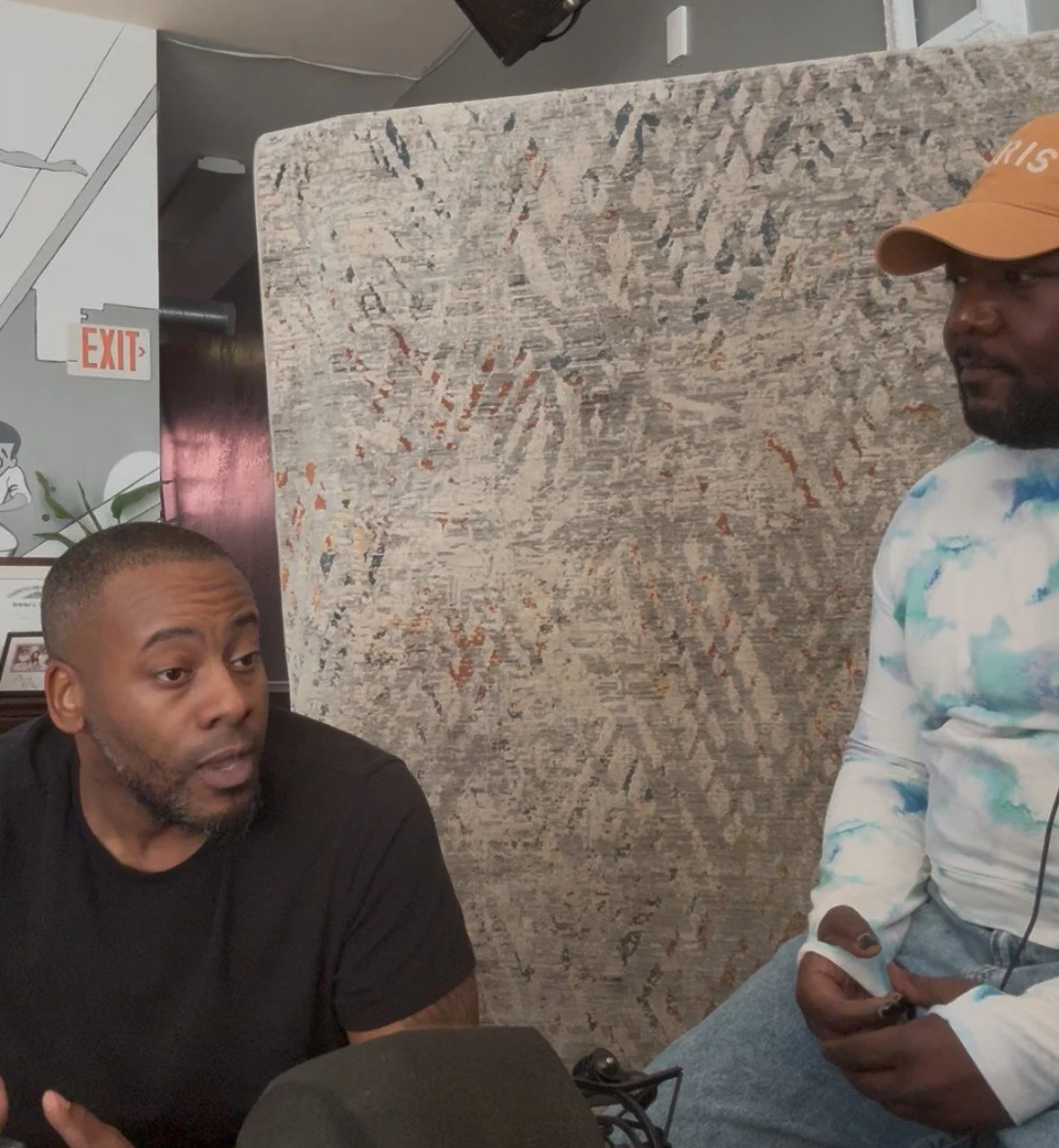
Recording the album was intentionally collaborative. I wanted the process itself to mirror
the message: connection across place and perspective.
That’s where Adrian Wallace, a Central Kentucky creative whose work sits at the intersection of sound, story, and place, became essential. Our conversations weren’t just logistical; they were reflective and grounding. We talked about growing up Black in different parts of Kentucky, about how environment shapes rhythm, language, and imagination.
“There’s a way Kentucky teaches you how to listen,” Adrian shared during one of our conversations. “Even in the quiet, there’s music.”
That idea stayed with me throughout the recording process.
We approached the album not as a polished commercial product, but as a living document. Tracks were shaped by dialogue, memory, and experimentation. Spoken word pieces sat comfortably alongside song. Silence was allowed to breathe. The goal wasn’t perfection, but instead, the goal was truth.
Results: An Album That Moves Between Worlds
The final result is River City Rhythms, a project that resists easy categorization.
It’s part spoken word album, part sonic archive. It carries the weight of ancestry while sounding unmistakably contemporary. You can hear echoes of porches and sanctuaries, street corners and open mics. It’s an album meant to be listened to straight through, like a journey.
More than anything, it affirms that Black Kentucky is not singular. It’s layered, textured, and deeply interconnected.
The Culmination: New Year’s Eve, In Community
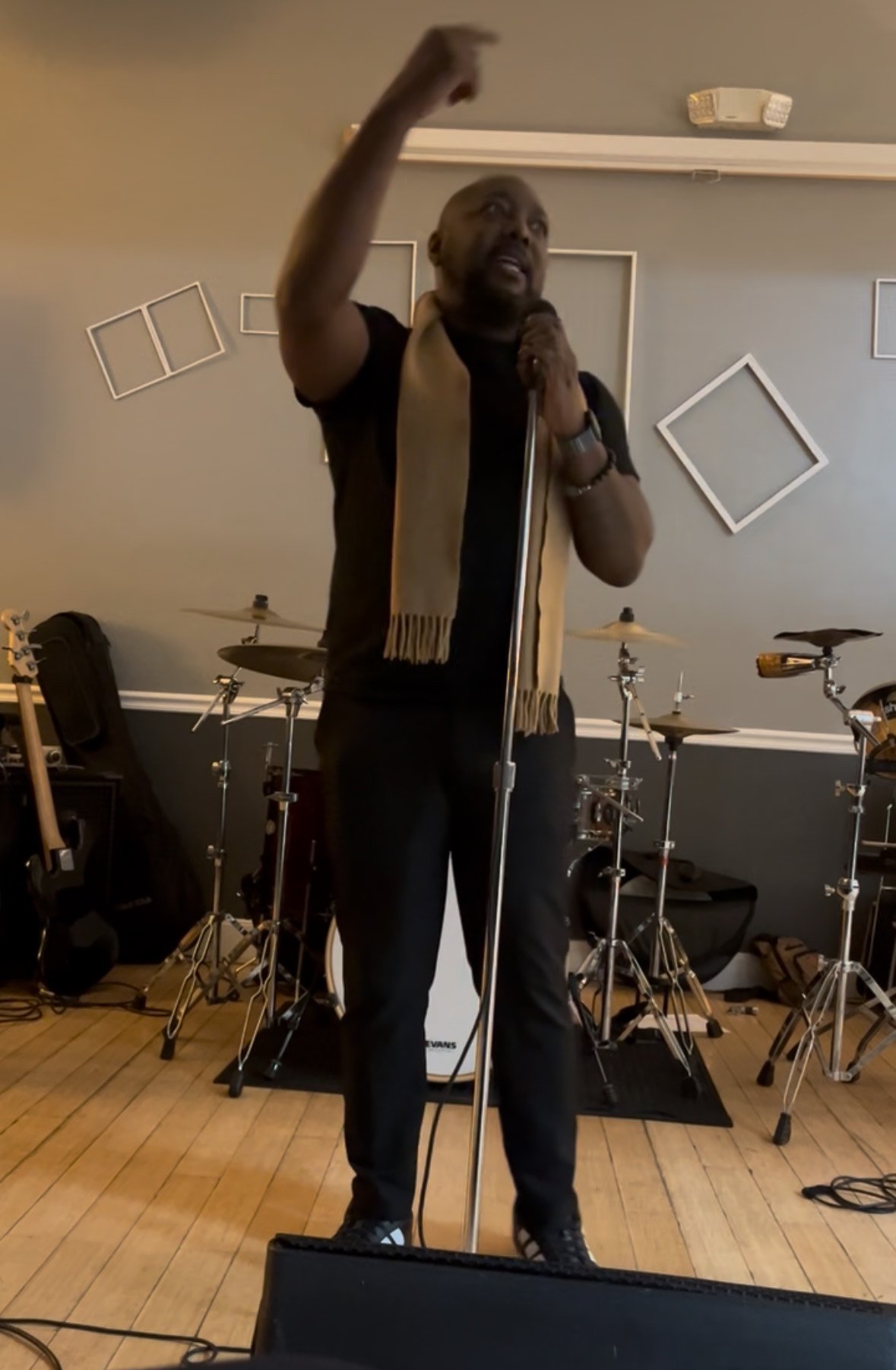
The project came full circle on New Year’s Eve, when a track from River City Rhythms was performed live as part of a community fundraiser event. Artists from Central and Northern Kentucky, as well as Cincinnati, shared the stage, bringing the album’s vision into physical space.
There was something powerful about ushering in a new year surrounded by voices that reflected different regions, generations, and creative disciplines; all rooted in shared ground. It wasn’t just a performance; it was a gathering as well as a reminder that art becomes most meaningful when it’s experienced together.
Why River City Rhythms Matters
This project matters because representation isn’t only about visibility AND it’s about connection.
River City Rhythms challenges the idea that Black rural and urban experiences exist in opposition. It insists that our stories overlap, inform one another, and deserve to be held with care. It also affirms Kentucky as a legitimate site of Black cultural production and not just a footnote, nor an afterthought.
For me personally, the project was also an act of return. To sound. To voice.
—Kareem A. Simpson & Adrian Wallace
The Kentucky Intercultural Microgrant Program is a seed grant to support two or more individuals or organizations collaborating across distance, difference, or sector on projects that celebrate and connect Kentucky's people and places. Our 2025 funding partners included Kentucky Arts Council, Fund for the Arts, Kentucky Foundation for Women, Kentucky Waterways Alliance, EarthTools, and individual donors. Learn more at kyrux.org/microgrants