Watershed Habitat Assessment Video
Lauren Kallmeyer (Kentucky Watershed Watch) & Ron Eskerden Photography
2025 Intercultural Microgrant Recipients
Kentucky Waterways Alliance Fund
From Conversation to Collaboration: Connecting rural and urban through water education and advocacy
Words by Lauren Kallmeyer, Photos by Ron Eskerden
The meeting: RUX alumni weekend
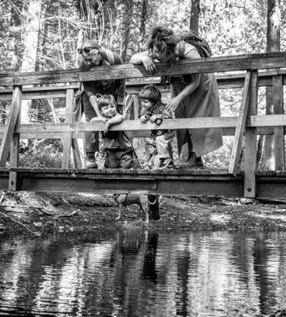
TMembers of the KY Rural-Urban Exchange at Pennyrile Forest State Park
In September, I found myself leading a hike at Pennyrile State Forest with a group of community builders from the Kentucky Rural-Urban Exchange (RUX). As a RUX alum, I was looking forward to catching up with friends and making new ones. With a new job underway as Program Coordinator for Kentucky Watershed Watch (KWW), I also had an agenda: I was looking for someone who could make a video for us, and I had a feeling I could make that happen through the RUX network.
It just so happened that fellow RUX member Maria Eskerden had brought her family along for the weekend and joined us on the hike. With two cute kiddos and their photographer dad Ron Eskerden in tow, it was soon obvious that Ron was more than a casual photographer and nature lover. What started as a casual mention on a hike about KWW’s video needs quickly turned into something much more aligned: a shared love for nature, Kentucky’s waterways, and a belief that creative storytelling can be a powerful tool for environmental stewardship. I learned that Ron was a professional photographer and videographer passionate about documenting environmental stories and community-driven work, with values strongly aligned to the mission of KWW. We left the weekend knowing that RUX’s microgrant application was on the radar and might provide us with an opportunity to work together.
The project
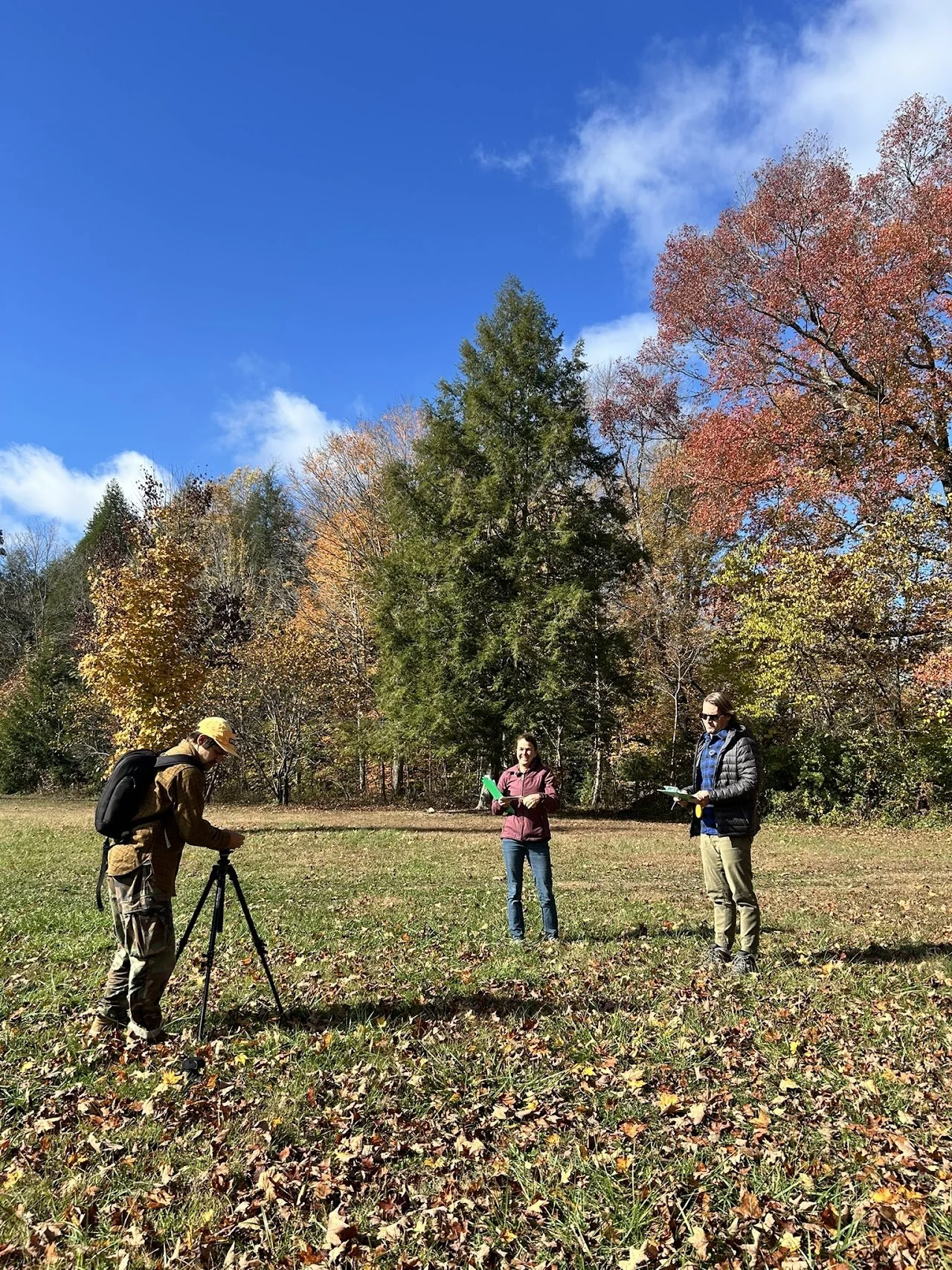
Kentucky Watershed Volunteers at Brushy Fork Park in Berea filming the habitat assessment video with Ron Eskerden
As Program Coordinator for Kentucky Watershed Watch, my role centers on statewide water quality monitoring and volunteer education. With over 90,000 miles of streams throughout the state, water is a great connector between urban and rural. KWW maintains Support Hubs in 33 counties across the state, providing volunteers with access to sampling equipment in urban areas like Louisville, Lexington, and Bowling Green and rural areas like the Berry Center farm in Henry County and Cowan Community Action Group in Letcher County.
Each year, more than 100 Kentuckians complete our water sampling certification, which includes a series of online and in-person training modules. While we’ve developed videos for nearly every part of the process, one important piece was still missing: a video training module that teaches our volunteers how to assess the quality of a creek’s habitat.
The RUX microgrants offered an opportunity for KWW to partner with Ron to create a video that would capture the beauty, complexity, and importance of Kentucky’s streams. We discussed how a thoughtfully produced video could help volunteers better understand how things like bank erosion, pollution, and streamside tree plantings (aka riparian buffers) contribute to water quality and watershed health, while also fostering a deeper emotional connection to Kentucky’s waterways.
For Kentucky Watershed Watch, which relies entirely on grants, donors, and volunteers, this kind of partnership is both necessary and exciting. It allows us to extend our reach, improve our training materials, and connect with volunteers across rural and urban Kentucky in a more engaging way. We were thrilled to be awarded the RUX microgrant, which was made possible via Kentucky Waterways Alliance, who provided funding to RUX to specifically provide microgrants for water protection.
What I appreciate most about this collaboration is how naturally it came together – meeting people on a hike, talking about Kentucky’s biodiversity, art, and community. That spirit of connection is at the heart of what RUX gatherings make possible, and it’s the same spirit we hope this video will pass on to viewers: a sense of curiosity, care, and responsibility for Kentucky’s 90,000 miles of streams.
We’re excited to see where this project leads—not just in terms of a finished video, but in what it teaches us about creative partnerships, storytelling, and how art can strengthen environmental education across the commonwealth.
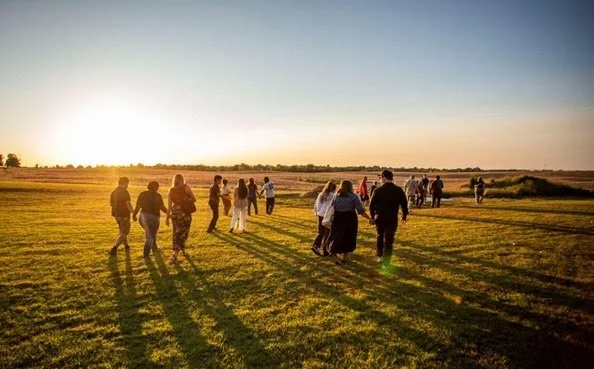
RUXers gathered on a farm near Pennyrile Forest State Park in Western KY.
—Lauren Kallmeyer (Kentucky Watershed Watch) & Ron Eskerden Photography
The Kentucky Intercultural Microgrant Program is a seed grant to support two or more individuals or organizations collaborating across distance, difference, or sector on projects that celebrate and connect Kentucky's people and places. Our 2025 funding partners included Kentucky Arts Council, Fund for the Arts, Kentucky Foundation for Women, Kentucky Waterways Alliance, EarthTools, and individual donors. Learn more at kyrux.org/microgrants